
Surveys & Inspection
Afloat
Afloat
In-Water Survey
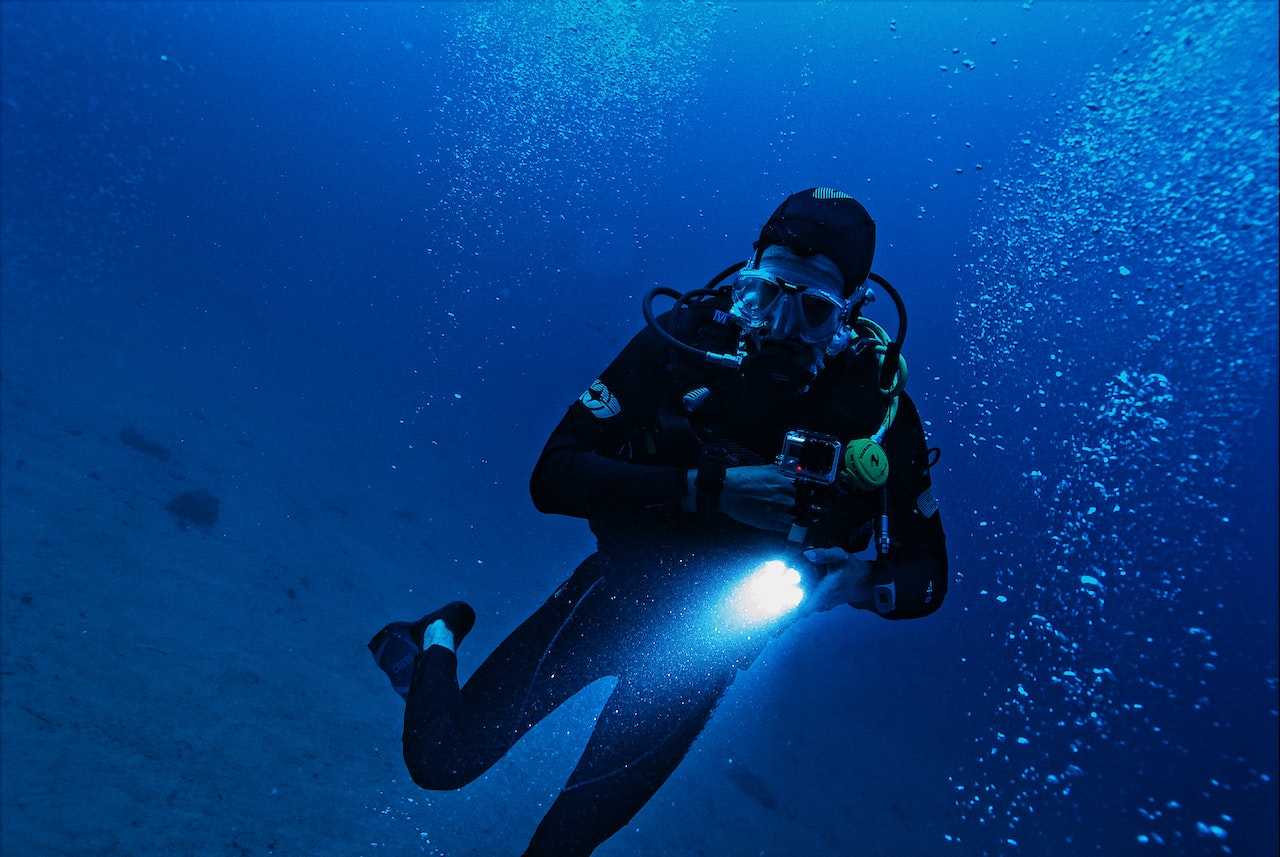
In-water survey service of vessels and other marine structures via CCTV (close circuit TV) are provided to meet all major classification societies' rules and regulations. The latest underwater video equipment is used to provide direct information to surveyors and shipping company representatives, reducing the need for docking surveys.
In-Water Survey
In-water survey service of vessels and other marine structures via CCTV (close circuit TV) are provided to meet all major classification societies' rules and regulations. The latest underwater video equipment is used to provide direct information to surveyors and shipping company representatives, reducing the need for docking surveys.
Underwater Inspection
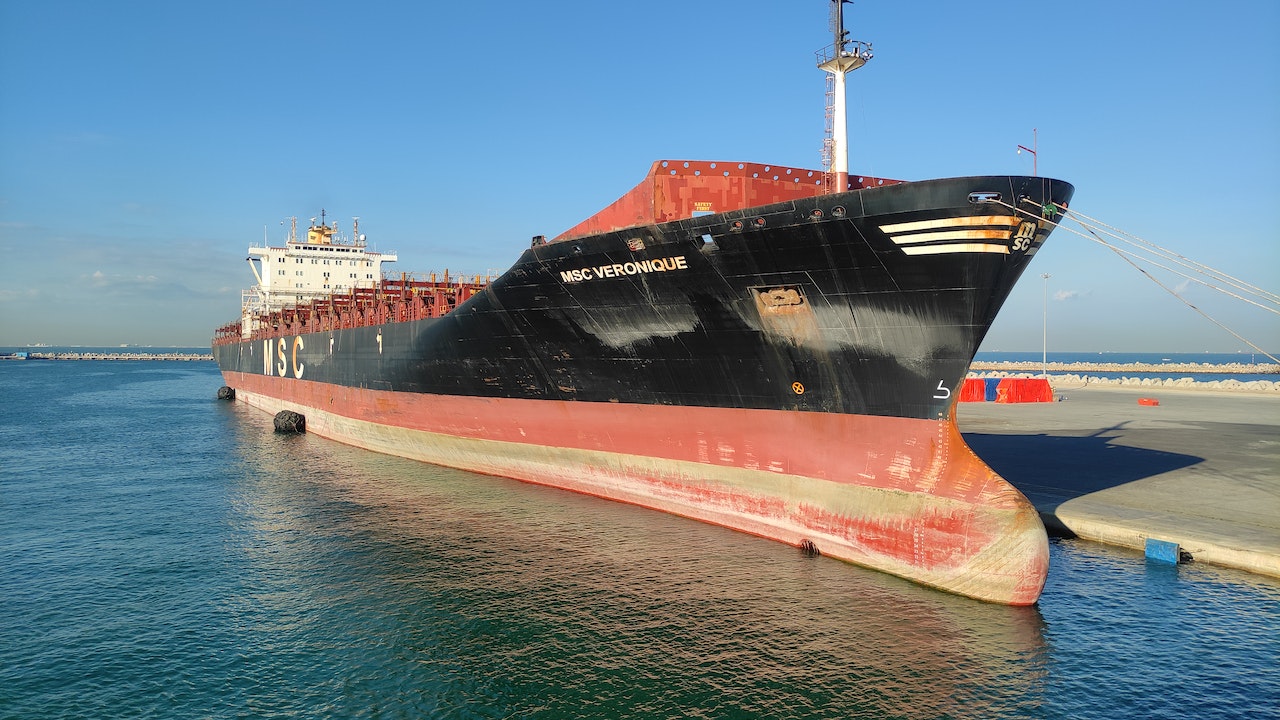
- Vessel sales/purchase
- Vessel grounding
- Anti-drugs and smuggling
- Dry-docking extension
- General condition before dry-docking
- Marine fouling condition for vessels intending to visit Australia/New Zealand
- Vessels prior to/upon completion of chartering
Underwater Inspection
- Vessel sales/purchase
- Vessel grounding
- Anti-drugs and smuggling
- Dry-docking extension
- General condition before dry-docking
- Marine fouling condition for vessels intending to visit Australia/New Zealand
- Vessels prior to/upon completion of chartering
Underwater
Maintenance
Maintenance
Propeller Polishing & Cleaning / PBCF Cleaning
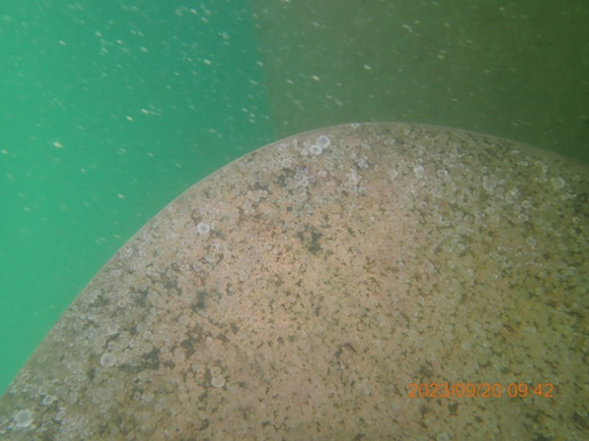
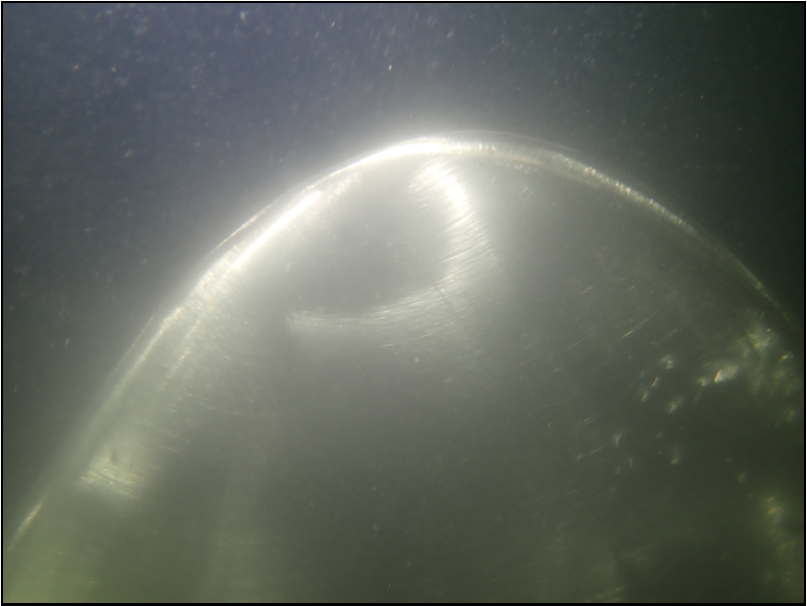
Propeller cleaning and polish is a measure used to increase the efficiency
of a vessel's propeller. Over time and use, a propeller surface will become
less smooth and become more susceptible to biofouling (i.e. corrosion,
barnacles). When roughness of propeller increases, it decreases the
efficiency of the propeller and let the colonization of unit by marine
fouling, eventually increasing drag and fuel consumption. The surface
finish of the blade is much critical than most shipowners realize, a few
microns of increased roughness will increase fuel consumption. Regular
cleaning and polishing of a propeller can help improve a vessel's functions
and reduce the cost of consumption. It is recommended propellers be
cleaned twice a year.
Before
After
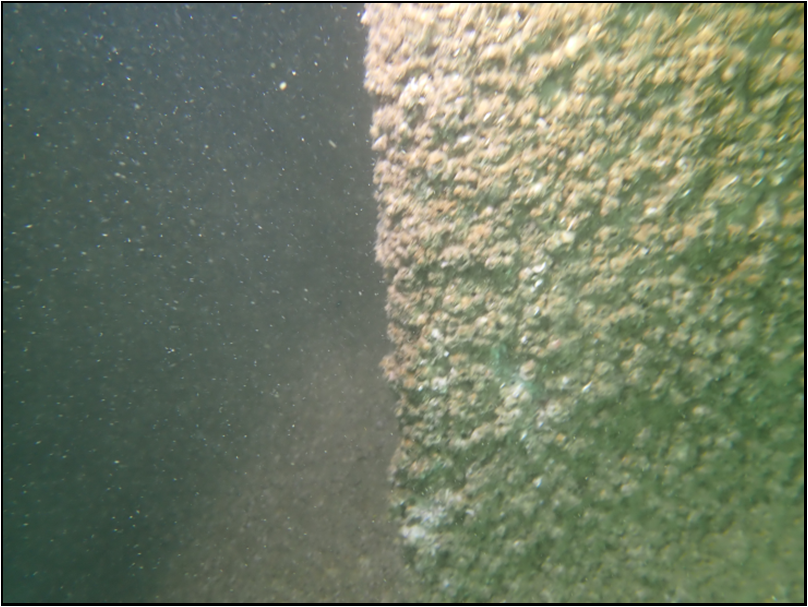
Before
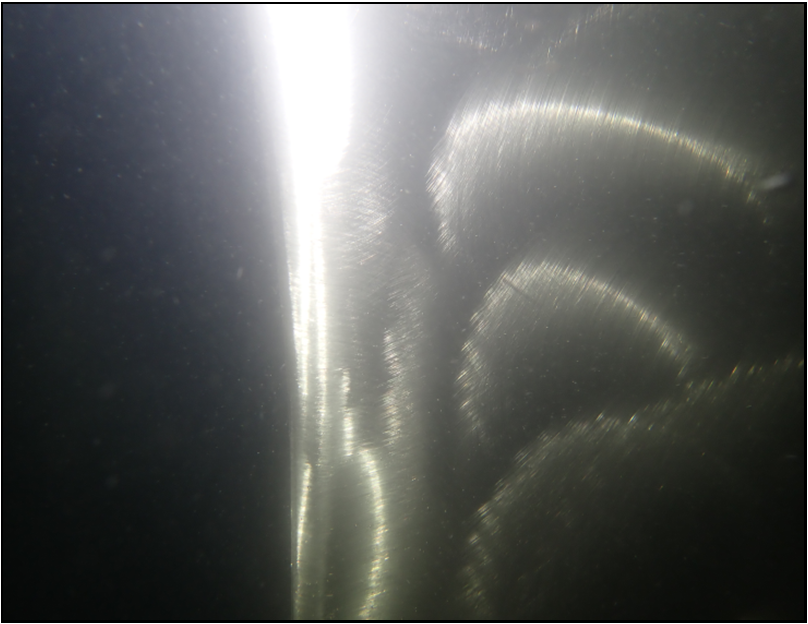
After
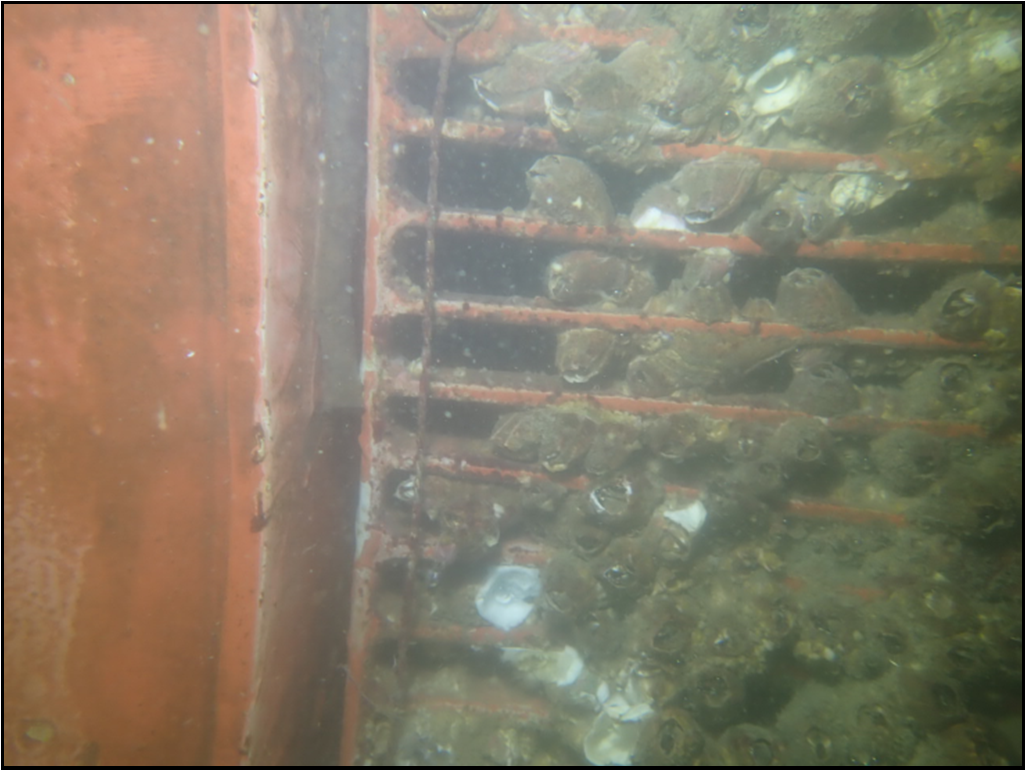
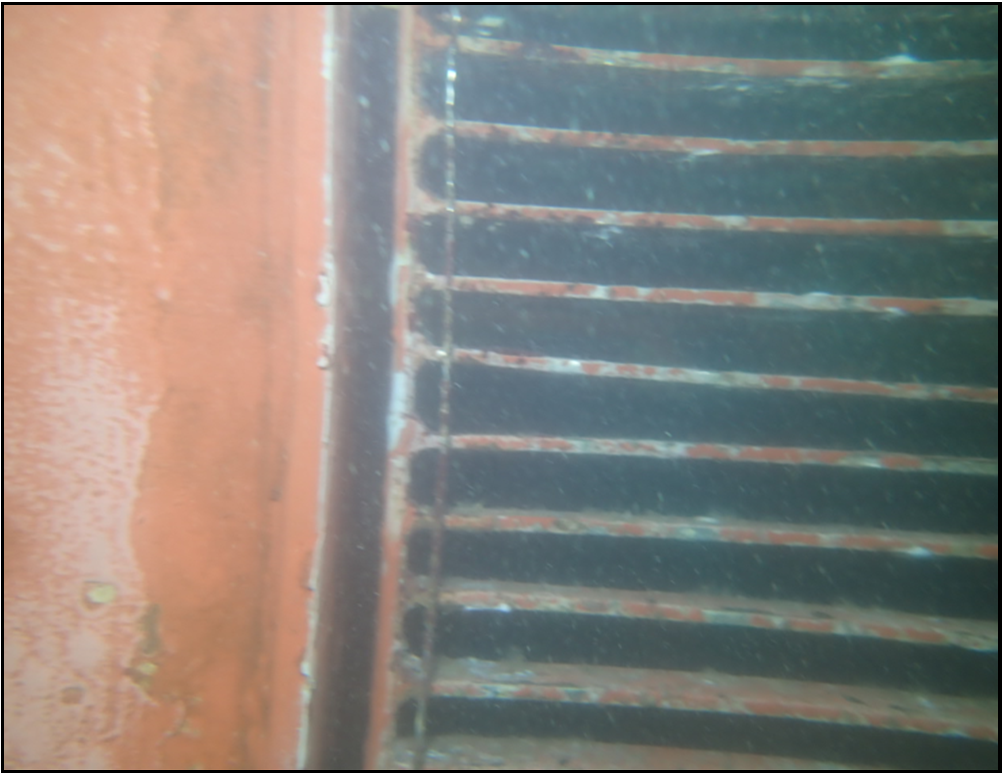
Sea Chest Grating Cleaning
Sea chest is a vital component to a vessel located in the ship's hull
connected to a piping system. It draws sea water into the ship which is used
to cool the main engine and other purposes. The sea chest is protected by
removable gratings. Barnacles and other marine fouling can build up over
time on both the sea chest and sea chest gratings. A fouled or damaged sea
chest can lead to the inadequate intake of water to the ship, affecting the
vessel's main engine and overall performance.
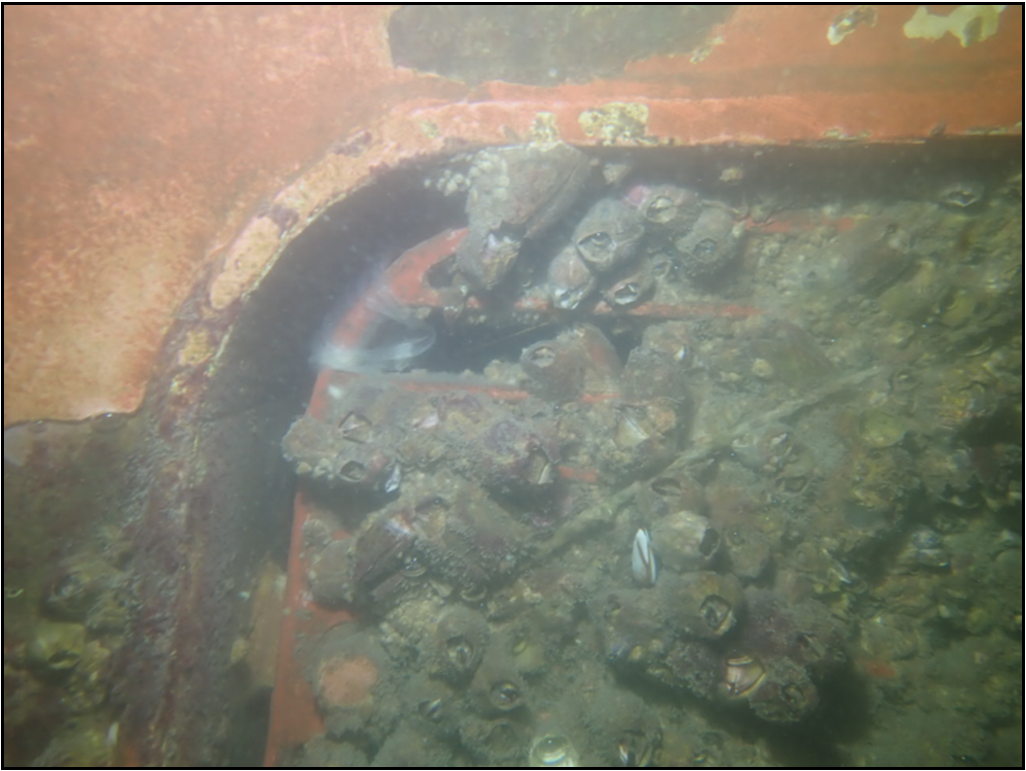
Before
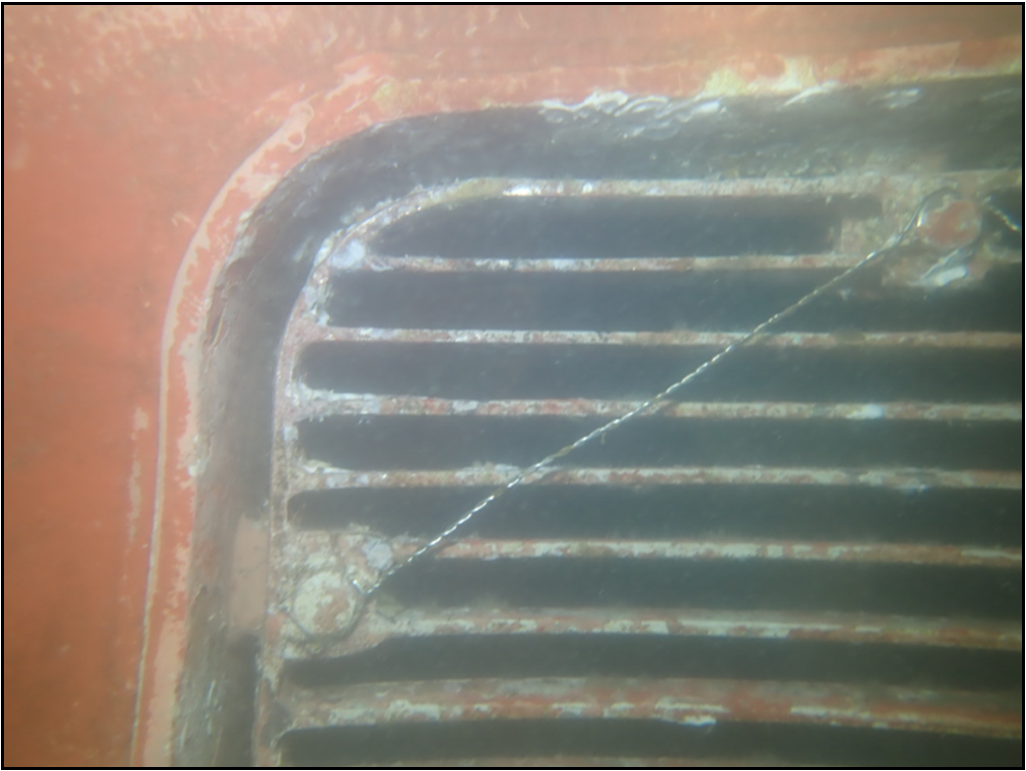
After
Before
After
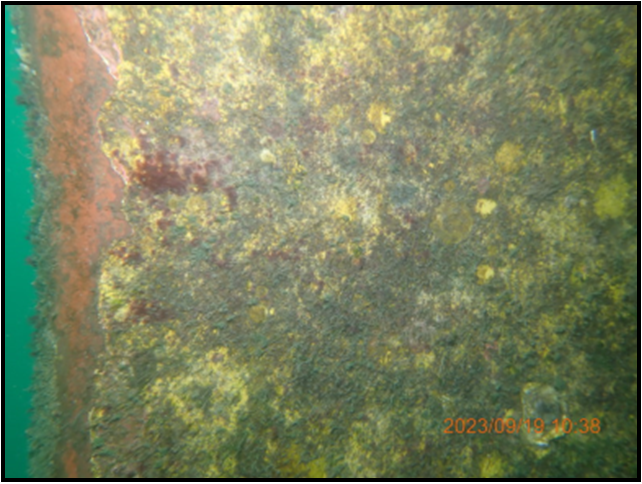
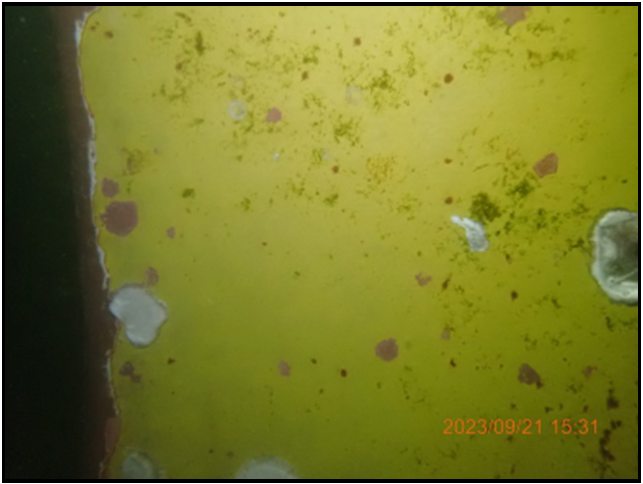
Rudder Cleaning
Rudder is a primary component to a marine vessel, used to control and
steer a vessel at sea. Due to its location at the stern of a vessel and it's
full immersion in the water, the rudder is particularly susceptible to
damage, corrosion, and marine growth. Routine inspection and cleaning of a
rudder ensures the smooth and efficient operation of a marine vessel.
Before
After
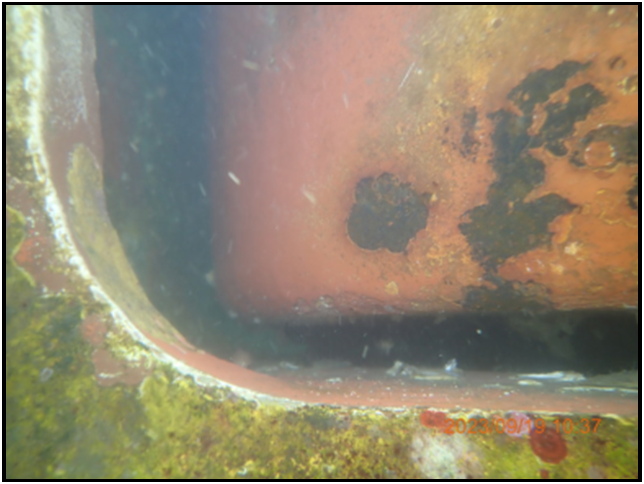
Before
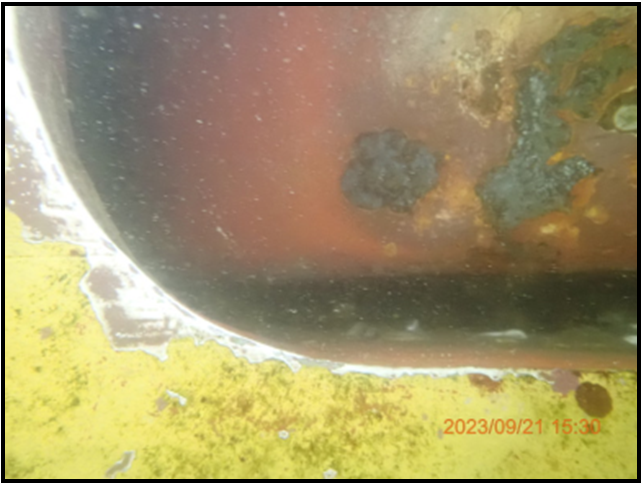
After
Bow Thruster Cleaning
Bow thruster is a propulsion device, generally located in ship's bow, below
the waterline and is used to provide lateral thrust to the vessel. This
improves the vessel's maneuverability at low speeds, most commonly when
docking and exiting or entering port. As with all underwater components to
a marine vessel, bow thruster are subject to corrosion and damage.
Regular cleaning and maintenance of a ship's bow thruster is vital to help
maintain quality performance.
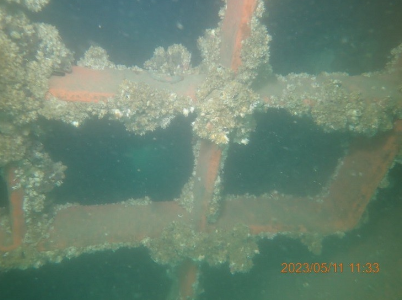
Bow Thruster Grating - Before Cleaning
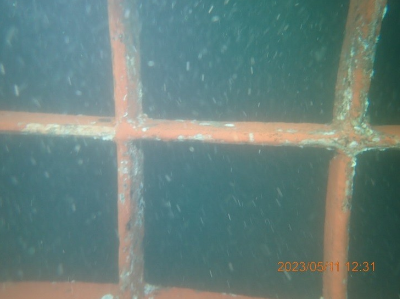
Bow Thruster Grating - After Cleaning
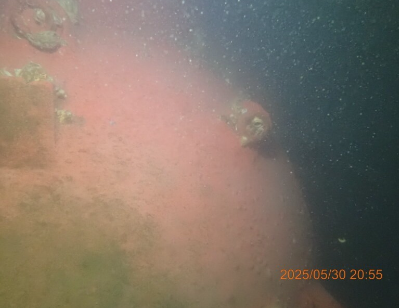
Bow Thruster Unit Housing Cover - Before Cleaning
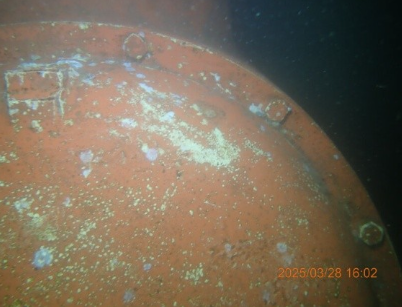
Bow Thruster Unit Housing Cover - After Cleaning
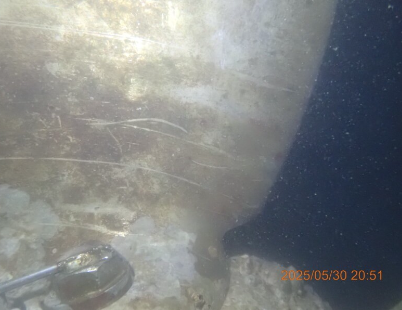
Bow Thruster Propeller Blade - Before Cleaning
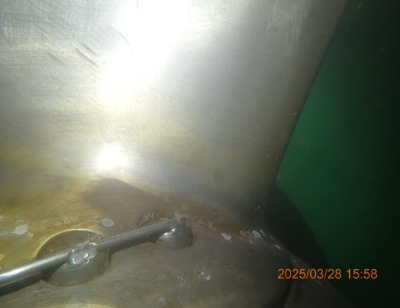
Bow Thruster Propeller Blade - After Cleaning
Anode Replacement
An anode is a part connected to a metal structure through an electrical
circuit, whose purpose is to protect the structure from corrosion. The
anode is made of highly reactive metal such as zinc or aluminum and is
intended to attract the ions which caused corrosion. This in turn diverts
those same ions from the structures the anode is attached to, therefore
extending the overall lifespan of the vessel. As with any part of a vessel,
anode will deteriorate over time, becoming less effective in corrosion
prevention. Thus, it is crucial to regularly inspect and replace a ship's
anodes, helping extend the overall lifespan of the vessel.
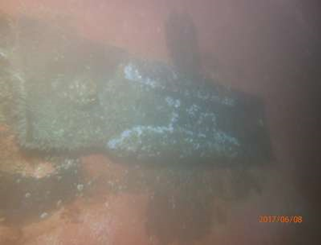
Anode depleted at rudder blade
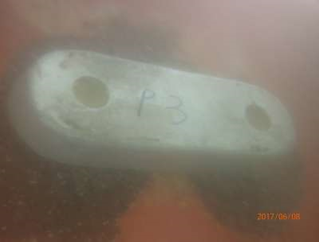
Replacement of new anode
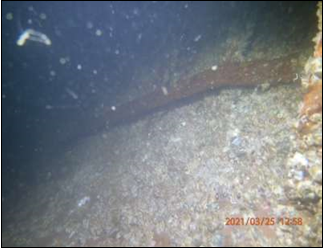
Anode depleted at bow thruster
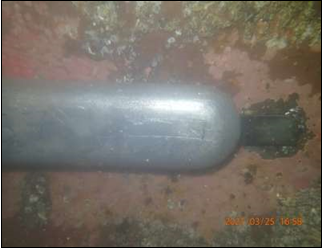
Replacement of new anode
Underwater
Repairs
Repairs
Underwater Welding /
Cutting / Burning
Cutting / Burning
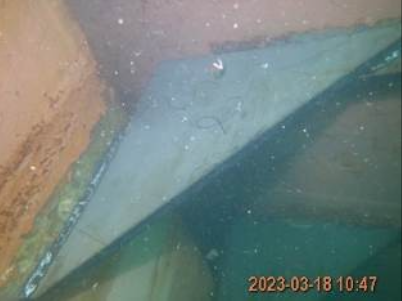
Triangle steel plate secured rudder blade & hull by wet weld
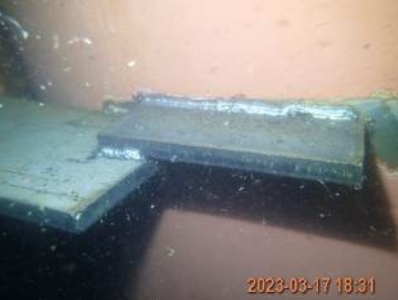
Steel metal bar secured rudder blade and horn by wet weld
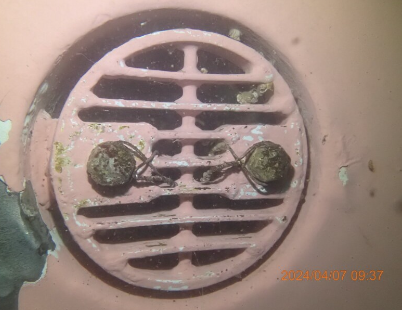
Emergency sea chest - Bolt heads secured before tack weld
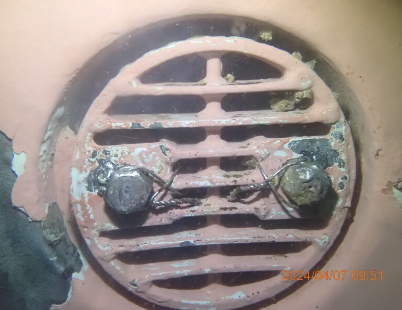
Emergency sea chest - Bolt heads secured after tack weld
Underwater
Grinding / Drilling
Grinding / Drilling
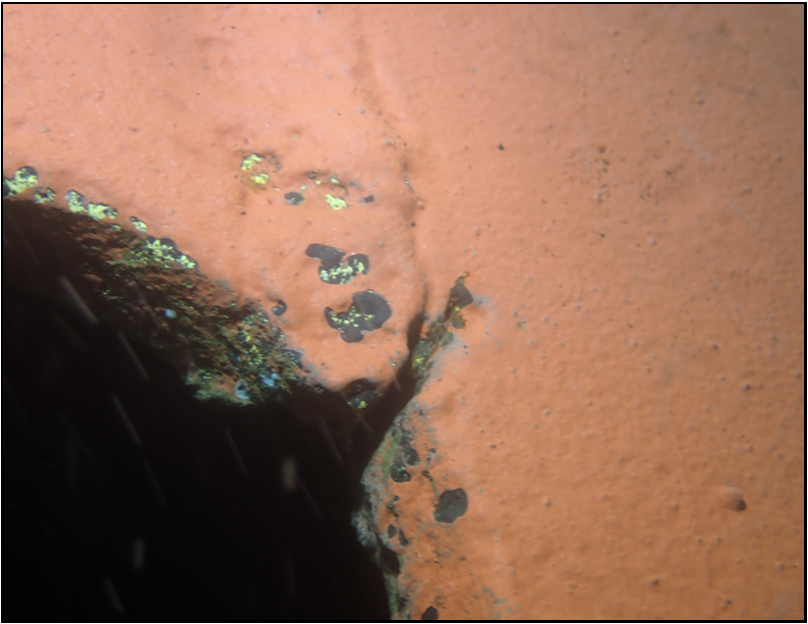
Crack noted at rudder fairing cover - Before repair
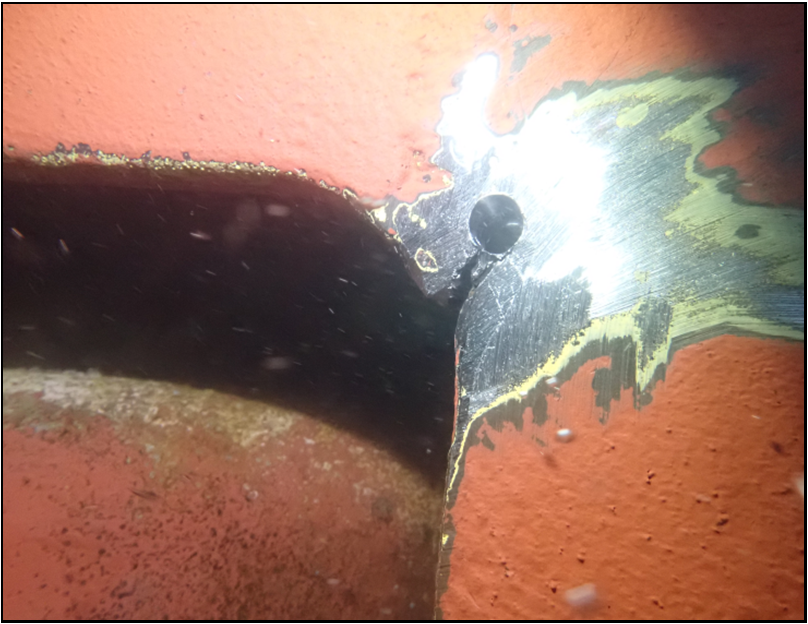
Arrest hole drilled at root of crack - After repair
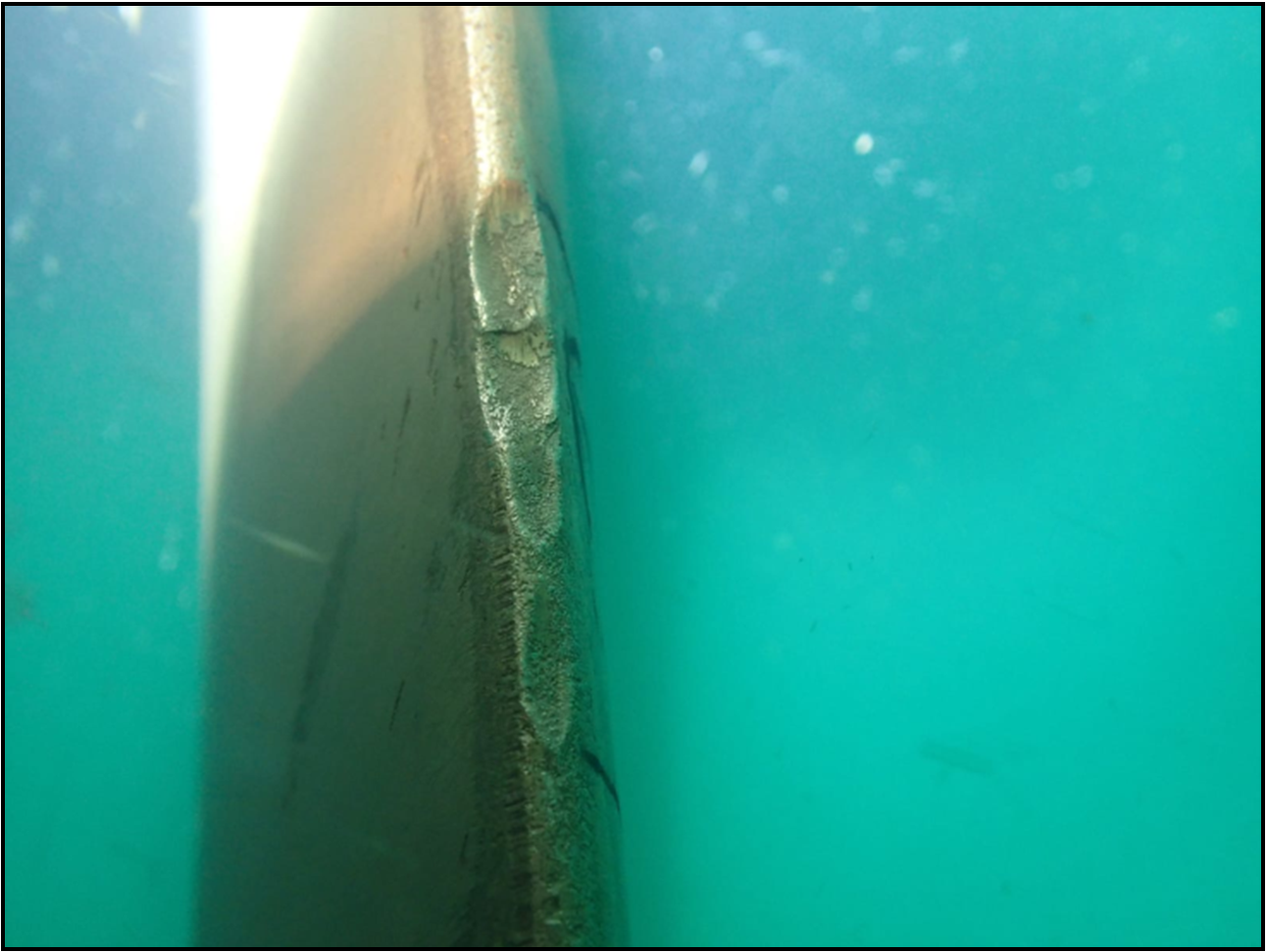
Notches with cracks noted at propeller blade - Before repair
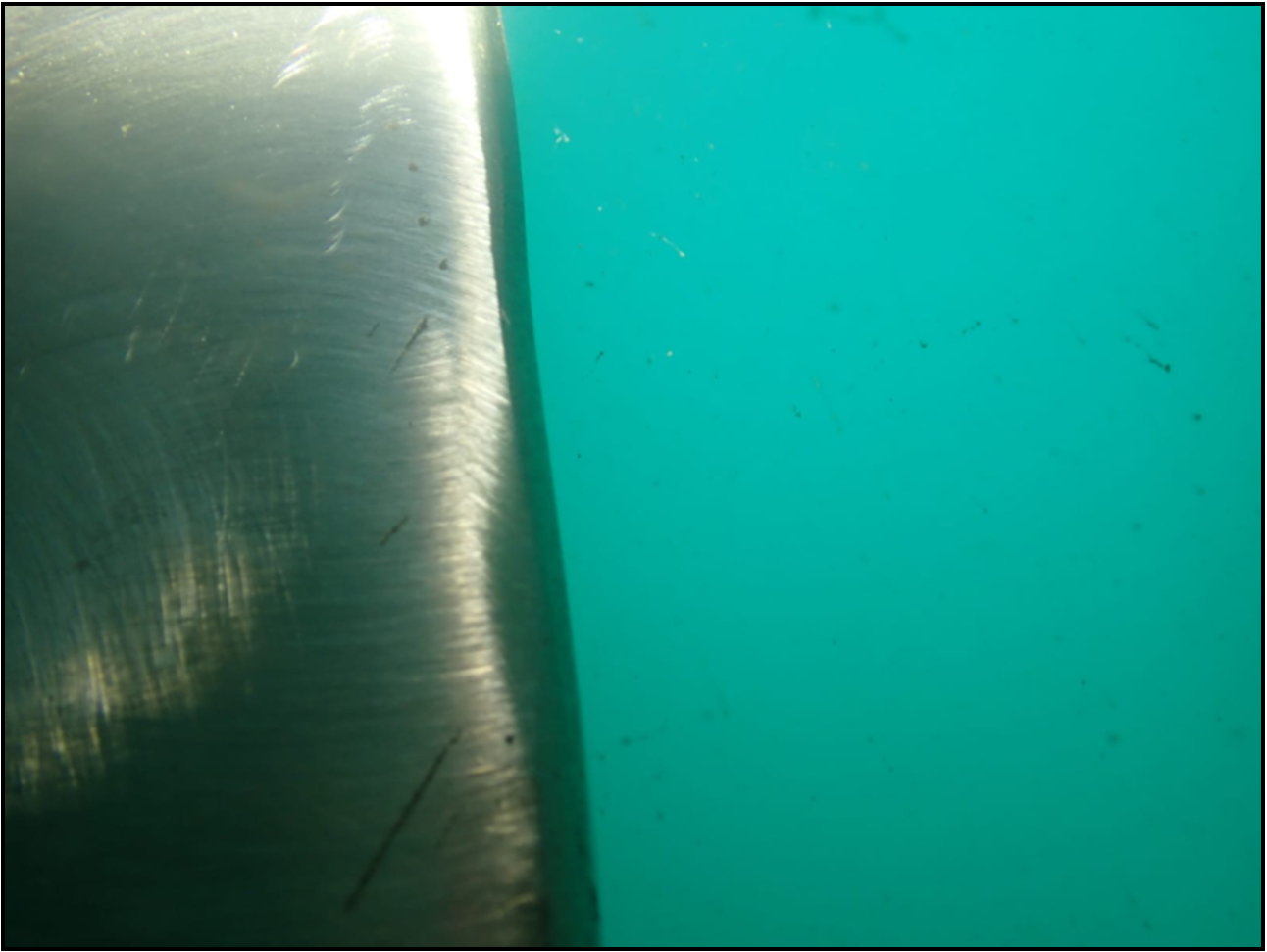
Notches with cracks were ground smooth - After repair
General
Underwater Work
Underwater Work
Plug / Unplug
Pipes & Valves
Pipes & Valves
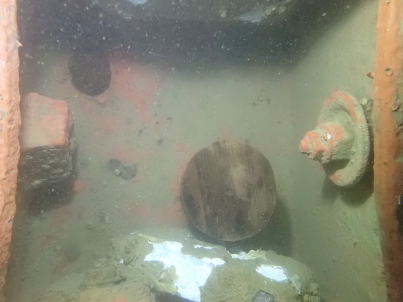
Seawater pipe plugged prior to internal renewal
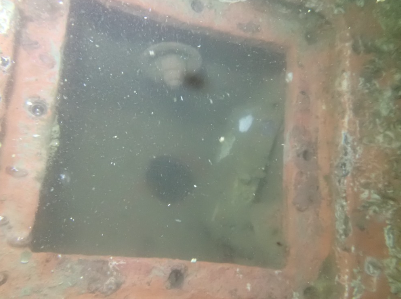
Plug removed from seawater pipe after internal renewal
Renewal of Echo Sounder /
Speed Log Transducer
Speed Log Transducer
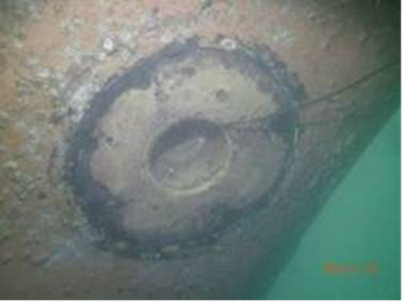
Echo sounder transducer removed for renewal
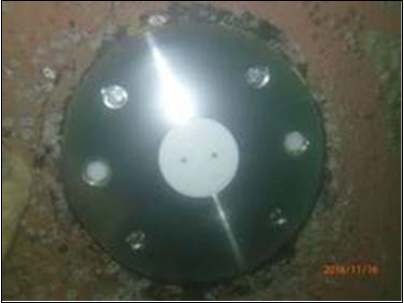
New echo sounder transducer
Renewal of ICCP Anode / Reference Cell
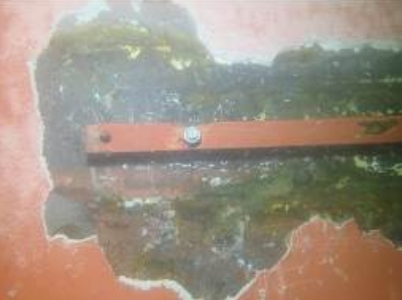
ICCP Anode removed for Renewal
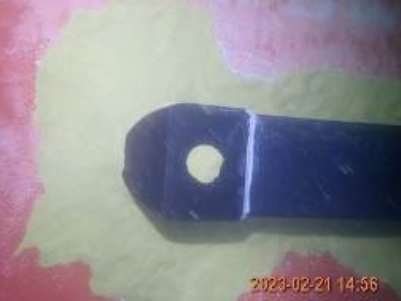
New ICCP Anode
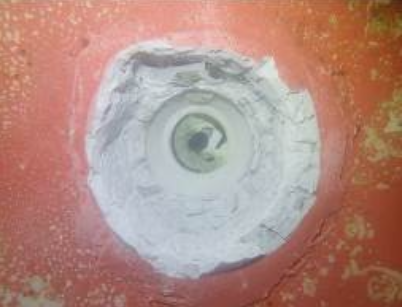
Old Reference Cell removed for Renewal
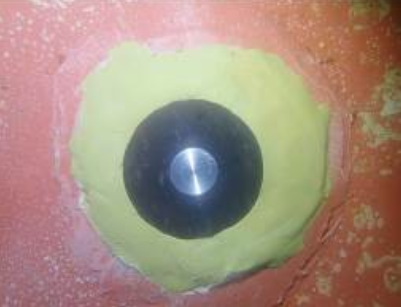
New Reference Cell
Renewal of Rope Guard
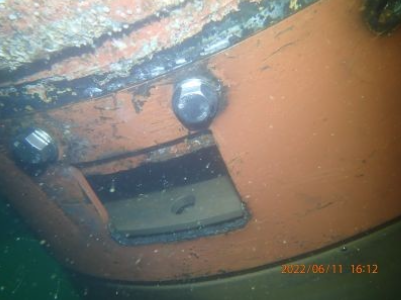
Renewal of Rope Guard fitted by bolts and welds
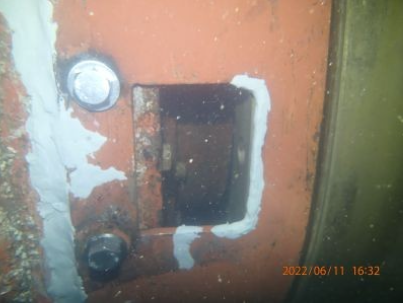
New Rope Guard after application of UW epoxy compound
Renewal of Rope Cutter
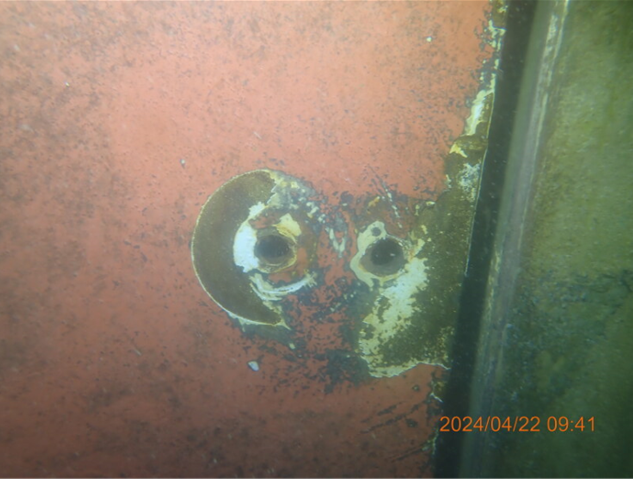
Rope cutter missing
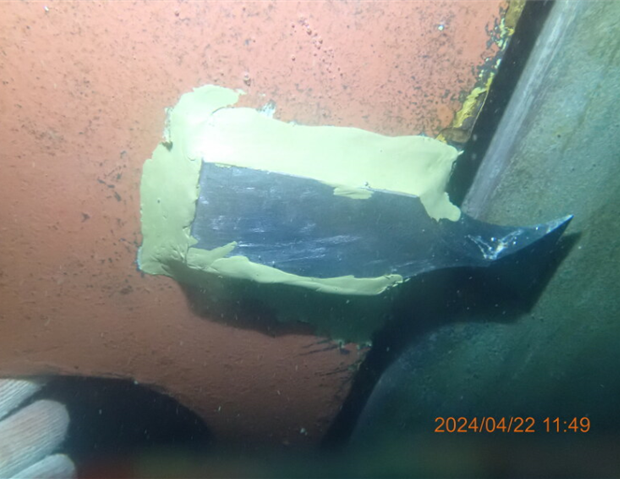
New rope cutter
Other
Services
Services
Shipyard Docking
Underwater assistance service for yachts / vessels on shipyard docking
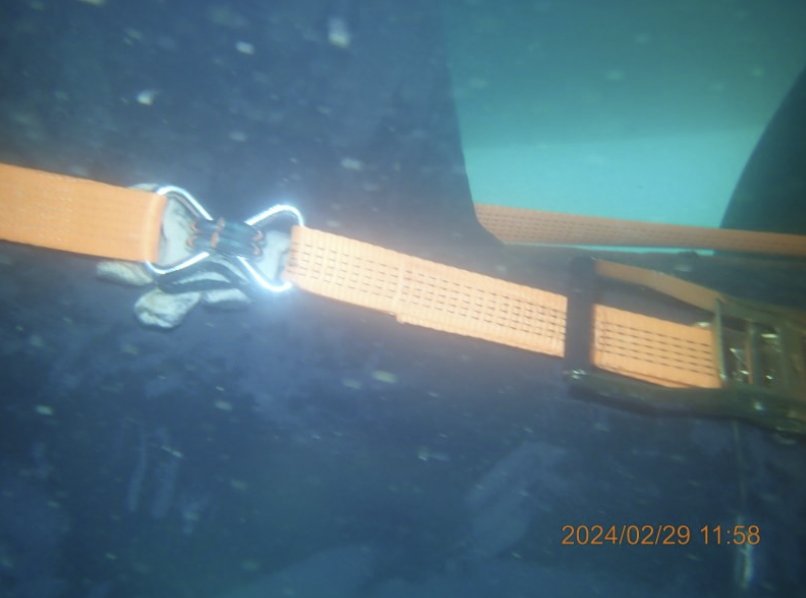
Tailshaft secured to V-bracket by ratchet strap prior to replacement
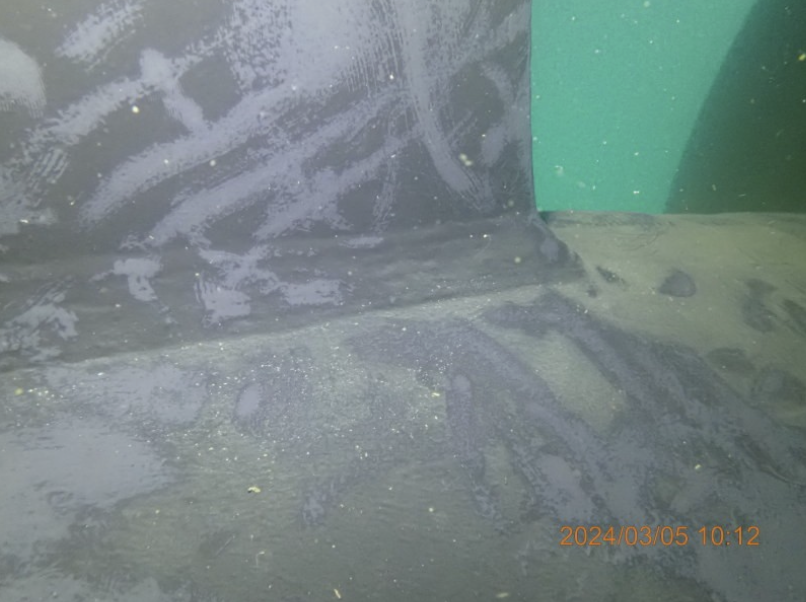
Ratchet strap removed from tailshaft & V-bracket after replacement
Removal of Obstructive Objects
Removal of obstructive objects such as broken nets and broken ropes at tailshaft:
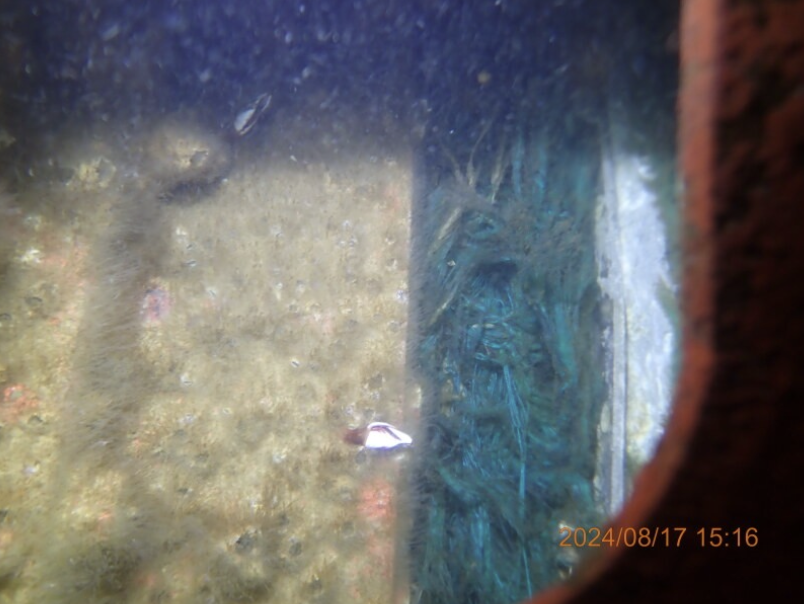
Broken nets & ropes noted at tailshaft prior to removal
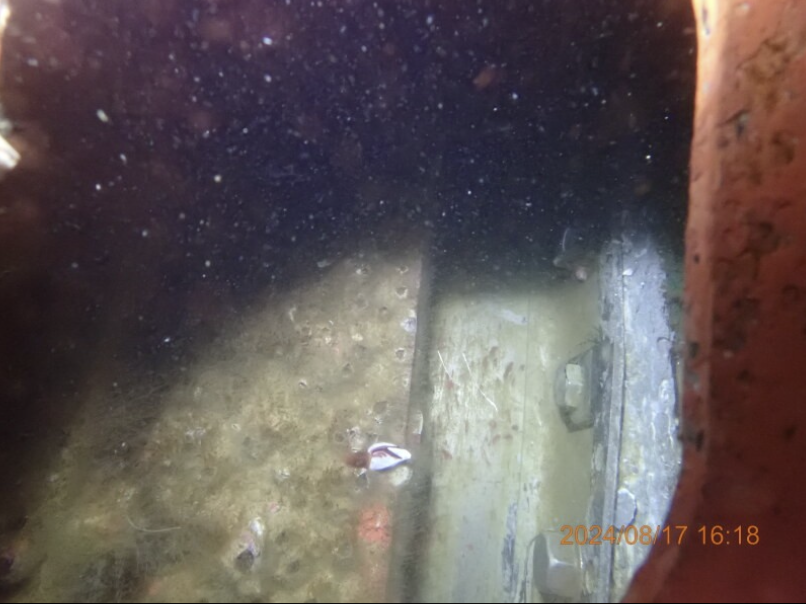
Tailshaft cleared after removal of obstructive objects
Search & Recovery
Search and recovery service for wreckage and lost object
Wreckage of a sunken container revealed - KCT, Hong Kong
Divers assisted to hook wreckage up during recovery operation
Non-Destructive Testing
- Paint coating survey
- Cathodic protection inspection